

By ALDO CABRERA March 10, 2026

Screened-In Porch Maintenance Tips for Virginia Homes


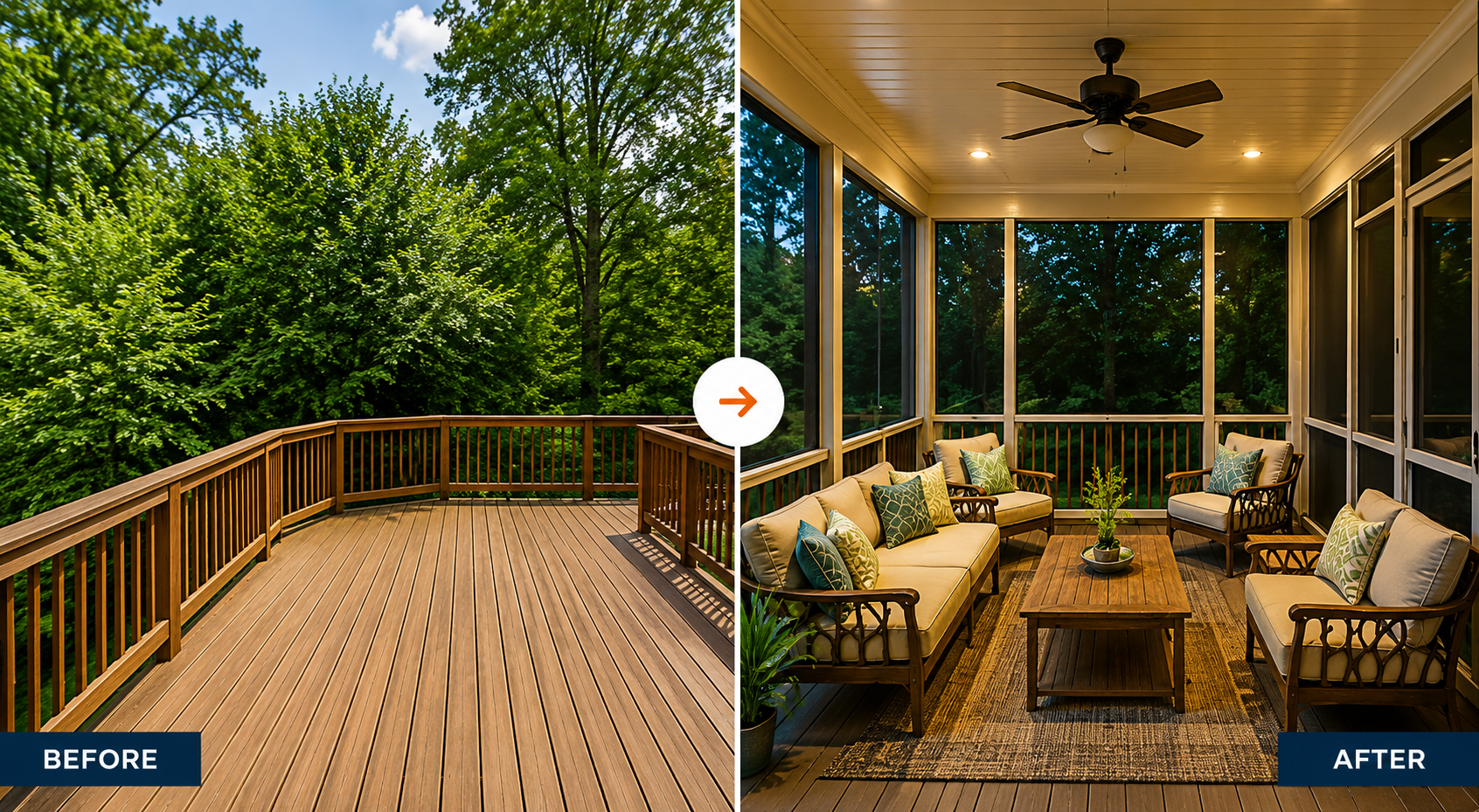
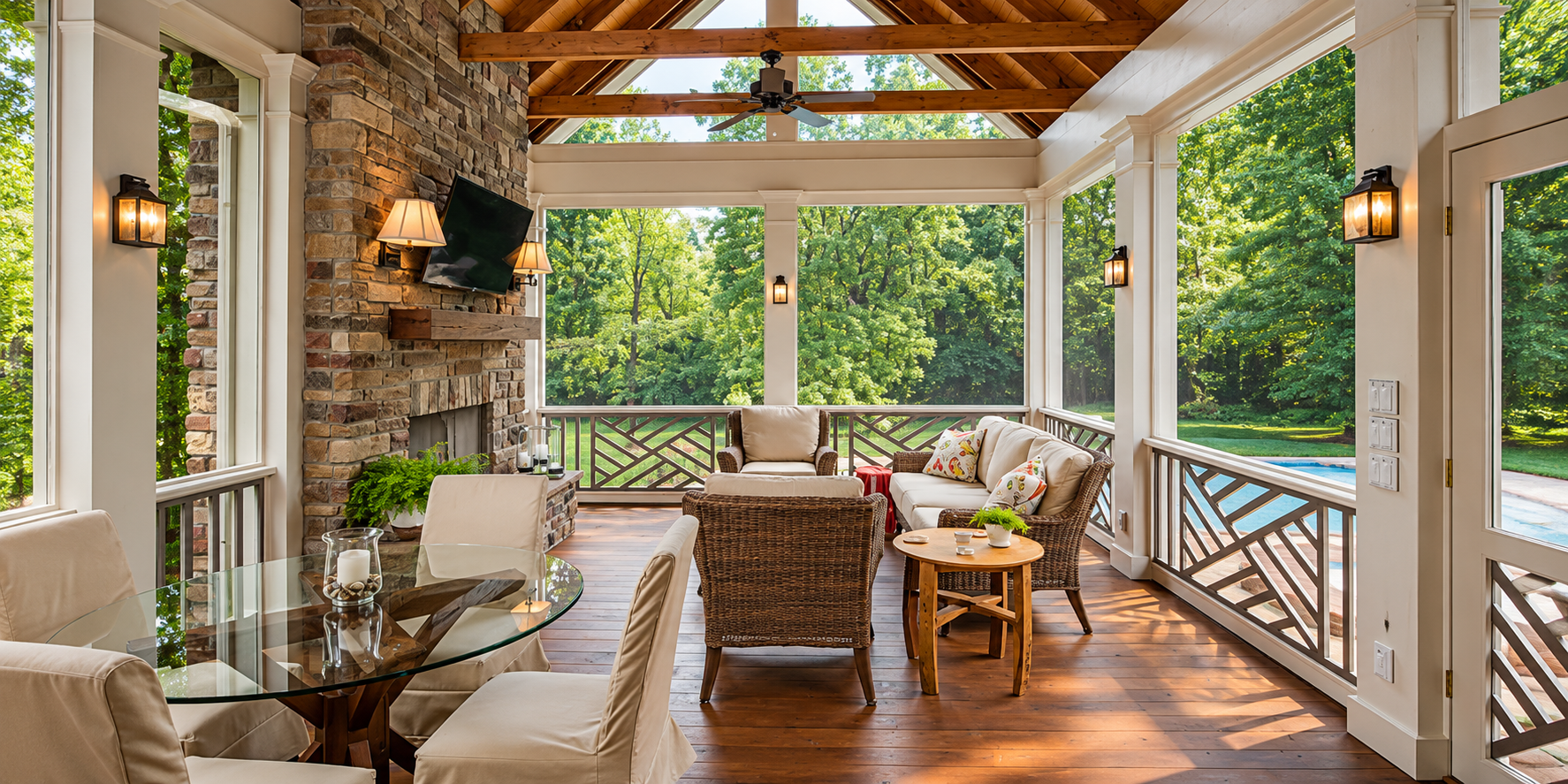
A screened porch is one of the most enjoyable spaces in many Virginia homes. It offers fresh air, outdoor views, and protection from bugs and weather. Families often use this space for relaxing, reading, or spending time with friends. However, like any outdoor structure, a porch requires regular care to stay safe and attractive. 


Good, screened porch maintenance VA homeowners help protect the structure from weather damage, insects, and moisture problems. 


In this guide, we will explore practical maintenance tips that help homeowners protect their porches. We will also explain seasonal care, screen replacement advice, and simple steps to prevent wood from rotting. 


Why Regular Porch Maintenance Matters 

A screened porch is exposed to wind, rain, sunlight, and seasonal temperature changes. Over time, these elements can weaken materials such as wood frames, screens, and flooring. Without regular care, small issues may turn into expensive repairs. 


Maintenance helps keep the porch safe and comfortable for daily use. Cleaning the structure, checking for damage, and repairing small problems early can extend the life of the entire porch system. Regular inspections also help homeowners spot early signs of moisture damage or screen wear. 


Inspect Porch Screens for Damage 

Porch screens protect space from insects, debris, and small animals. Over time, screens may tear or loosen due to wind, pets, or accidental contact. Even a small hole can allow insects to enter the porch. 


Screen replacement is a simple but important maintenance task. Homeowners should inspect screens regularly for holes, sagging, or loose frames. Repairing small tears early prevents the need for replacing entire panels later. 


Many homeowners schedule a yearly inspection before summer begins. This ensures the porch is ready for outdoor use during warm weather. 


Cleaning Porch Screens Properly 

Cleaning porch screens helps maintain airflow and visibility. Dust, pollen, and outdoor debris can be collected on the mesh over time. This buildup can block air circulation and make the porch look dull. 


Cleaning porch screens is usually easy. A soft brush and mild soap mixed with water can remove dirt without damaging the mesh. Gently wiping the screen from top to bottom helps prevent stretching or tearing. 


According to home maintenance experts, cleaning screens once or twice a year can help maintain airflow and extend the life of the mesh material. 


Preventing Wood Rot in Porch Structures 

Many screened porches use wood framing for posts, beams, and railings. Wood is strong and attractive, but it can develop rot if moisture is trapped for long periods. 


Wood rot prevention begins with regular inspections. Homeowners should check for soft spots, discoloration, or peeling paint on wooden parts. These signs may indicate moisture damage. 


Sealing or staining the wood every few years helps protect it from rain and humidity. Proper ventilation also helps reduce moisture buildup. In Virginia’s climate, managing moisture is one of the most important steps in porch care. 


Seasonal Care for Virginia Weather 

Virginia experiences four distinct seasons, each bringing different maintenance needs. Seasonal care helps homeowners prepare their porch for changing weather conditions. 


In spring, cleaning and inspection are important after winter snow and wind. Summer maintenance focuses on keeping screens clean and checking for insect damage. Fall is a good time to remove leaves and debris that may be collected around the porch structure. 


Winter preparation may include covering furniture and ensuring that water does not collect on the floor or near the foundation. Regular seasonal care helps protect the porch from long-term damage. 


Checking the Porch Floor and Deck Surface 

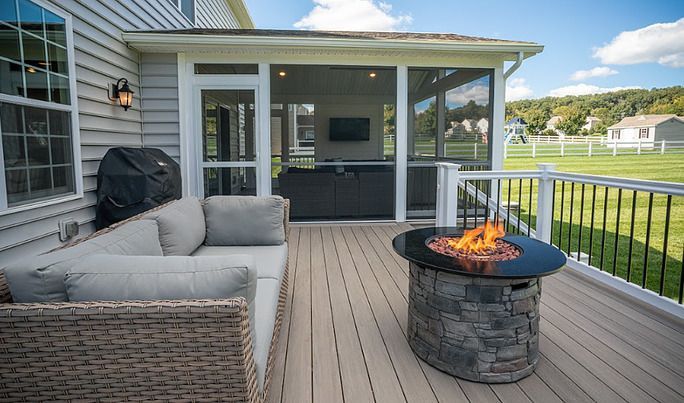
The porch floor is another important part of the structure. Many porches use wood, composite decking, or stone surfaces. These materials must remain strong and level for safe use. 


Homeowners should check for loose boards, cracked surfaces, or uneven areas. These problems can create tripping hazards if not repaired quickly. Cleaning the floor regularly also helps prevent mold growth, especially in shaded areas. 


Professionals offering Decks Contractor services often recommend annual inspections to ensure structural safety and prevent costly repairs. 


Maintaining Porch Frames and Support Posts 

The frame of the porch holds the entire structure together. Support posts and beams must remain strong and secure to handle weather stress and daily use. 


Over time, joints may loosen, or fasteners may rust. Checking these components once a year helps maintain structural stability. Tightening screws or replacing damaged hardware is usually a simple repair. 


Professional inspections can also identify hidden structural issues that homeowners may not notice right away. 


Protecting the Porch Roof and Gutters 

Many screened porches have small roofs that protect the area from rain. Gutters and roof panels must remain clear of debris to function properly. Leaves and dirt can block drainage systems and cause water to overflow. 


When water collects near the porch roof or frame, it can increase the risk of wood damage. Cleaning gutters at least twice a year helps maintain proper water flow. 


According to the Environmental Protection Agency, proper water drainage around a home reduces moisture-related damage and helps preserve building materials. 


Upgrading Screens for Better Durability 

Sometimes traditional mesh screens are worn out quickly, especially in high-traffic areas. Modern screen materials are stronger and more resistant to tearing. 


Homeowners may consider upgrading to reinforced mesh or pet-resistant screens. These materials provide better durability while maintaining airflow and visibility. 


Some homes with Screened in Porches also choose screens with UV protection. These options help reduce fading and improve long-term performance. 


Improving Porch Comfort and Functionality 

A well-maintained porch can also be upgraded for better comfort. Adding ceiling fans, lighting, or weather-resistant furniture can improve the overall experience. 


Some homeowners expand their outdoor living space by adding structures like sunrooms or patios. Professional builders offering Sunroom Builders services often help homeowners design outdoor spaces that match their lifestyle. 


Maintaining the porch properly ensures these upgrades remain safe and functional for years. 


When to Hire a Professional Contractor 

While many maintenance tasks are simple, some repairs require professional experience. Structural repairs, large screen replacements, or flooring issues may require skilled contractors. 


In the middle of many renovation projects, companies like Outdoor View Construction Inc. provide expert guidance for porch upgrades and maintenance solutions. 


Working with professionals ensures repairs are done safely and according to local building standards. 


If you notice structural damage, it may be time to Contact Outdoor View Construction Inc. for an inspection and repair recommendations. 


Benefits of Consistent Porch Maintenance 

Maintaining a screened porch provides several long-term benefits. A well-cared-for porch improves home value, enhances curb appeal, and creates a comfortable outdoor space. 


Regular care also helps prevent expensive structural repairs. Small fixes like tightening fasteners or replacing screens can extend the life of the porch significantly. 


Research from the National Association of Realtors shows that well-maintained outdoor living areas can increase property value and attract potential buyers. 


A safe and clean porch also encourages families to spend more time enjoying outdoor living. 


Conclusion 

A screened porch is a valuable feature that allows Virginia homeowners to enjoy the outdoors while staying protected from insects and weather. Regular cleaning, inspections, screen replacement, and seasonal care help keep the structure safe and beautiful for many years. Taking small maintenance steps today can prevent expensive repairs later and extend the life of your outdoor living space. If you want expert help with repairs or upgrades, reach out today and Contact Outdoor View Construction Inc. to ensure your porch remains a comfortable and reliable part of your home. 


Frequently Asked Questions 

  • How often should porch screens be replaced?

    Porch screens usually last between 7 and 10 years depending on weather conditions and usage. Regular inspections help identify when replacement is needed. 

  • What is the best way to clean porch screens?

    A mixture of mild soap and water with a soft brush works well. Avoid harsh chemicals that may damage the mesh material. 

  • How can I prevent wood from rotting on my porch?

    Applying sealant or stain regularly and ensuring proper ventilation helps protect wood from moisture damage. 

  • Do screened porches need seasonal maintenance?

    Yes. Seasonal care helps prepare the porch for weather changes and prevents long-term structural damage. 

  • When should I hire a professional contractor?

    If you notice structural issues, large tears in screens, or flooring damage, a professional inspection is recommended. 

Book Your Quote With Outdoor View Construction Inc.

We are dedicated to designing a diverse range of outdoor projects. We deal in all kinds of projects, from simple deck installation to patios, sunrooms, and much more. We carefully listen to your aspirations and, with our professional techniques, we turn your vision into a reality.


Recent Posts

By ALDO CABRERA March 9, 2026
Discover covered patio ideas Virginia homeowners love. Learn patio roof options, shade structures, and design tips. Transform your backyard today!
By ALDO CABRERA March 2, 2026
Having a small backyard does not mean you have to give up on outdoor comfort or style. With the right design, even limited space can feel open, relaxing, and useful. Many homeowners are choosing screened-in porches to enjoy fresh air while staying protected from insects, rain, and debris. These spaces create a cozy outdoor room that works in many seasons and adds value to everyday living. This guide shares practical small, screened porch ideas that focus on smart layouts, space-saving furniture, and simple design choices. You’ll learn how to make the most of your backyard by using light, airflow, and thoughtful planning to create a screened porch that feels larger than it really is and fits your lifestyle perfectly. Why Screened-In Porches Work Well in Small Backyards Screened-in porches are perfect for small backyards because they add usable space without crowding the yard. They act as a bridge between indoor comfort and outdoor living. A screened area lets you enjoy breezes, morning coffee, or family time without dealing with insects. According to housing studies, homeowners who add enclosed outdoor spaces often report higher daily use than open patios. This makes screened areas a smart choice when every square foot matters. Planning a Compact Porch Layout A good plan is the first step in making a small porch feel comfortable. A compact porch layout focuses on clear walking paths and simple shapes. Square or rectangular designs are easier to furnish and use. Keeping the layout open avoids a cramped feeling. Experts suggest leaving at least three feet of clear space for movement. Planning early also helps you decide where doors, screens, and furniture should go for the best flow. Choosing the Right Location in Your Backyard Location plays a big role in how useful your porch becomes. In a small yard, placing the porch close to the house saves space and makes access easier. Many homeowners attach screened porches to the back or side of the home. This setup also allows shared walls and roofs, which can reduce costs. Builders note that attached porches often feel more like a natural extension of the home. Simple Design Styles That Feel Open Simple design styles work best in small spaces. Clean lines, light colours, and minimal decoration help a porch feel airy. Using neutral tones reflects light and makes the area appear larger. Many designers recommend matching the porch style to the home for a smooth look. Simple designs are also easier to maintain and adapt as your needs change. Smart Furniture Choices for Small Porches Furniture small porch planning is key to comfort. Choose pieces that are lightweight and easy to move. Foldable chairs, slim benches, and small tables work well. According to outdoor living surveys, multi-use furniture is popular in compact spaces because it reduces clutter. Avoid oversized sofas that block movement. Instead, focus on seating that fits the space while still offering comfort. Built-In Seating to Save Space Built-in benches are a great way to save room. They sit along walls and corners, leaving the centre open. Some benches include storage underneath for cushions or outdoor items. This approach keeps the porch tidy and functional. Built-ins are often recommended by deck constructors because they maximize usable space without adding bulk. Using Screens to Create an Open Feel The type of screen you choose can change how your porch feels. Fine mesh screens keep insects out while still letting in light and air. Darker screens can improve visibility to the yard. According to home design studies, clear views help small spaces feel larger. Screens also allow you to enjoy nature without adding solid walls that close off the area. Lighting Ideas for Small Screened Porches Good lighting makes a small porch usable day and night. Soft overhead lights or wall-mounted fixtures save floor space. String lights are popular because they add warmth without heavy fixtures. Lighting experts suggest warm light tones for relaxing spaces. Proper lighting also improves safety and makes the porch feel welcoming in the evening. Flooring Options That Fit Small Spaces Flooring affects both look and comfort. In small porches, simple flooring works best. Treated wood, composite boards, or outdoor tiles are common choices. Lighter colours can make the space feel bigger. Studies show that durable flooring reduces maintenance and keeps spaces looking fresh longer. Choose materials that handle moisture well, especially in screened areas. Decor That Adds Style Without Clutter Decor should enhance, not crowd, a small porch. A few plants, cushions, or wall accents are enough. Hanging planters save floor space while adding greenery. Designers often suggest limiting decor to three main items in small areas. This keeps the porch calm and organizes while still showing personality. Space Saving Design Tips A space saving design focuses on using vertical and hidden areas. Wall shelves, hooks, and hanging storage keep items off the floor. Sliding or folding doors also reduce the space needed to open and close. According to home organization studies, vertical storage can increase usable space by up to 30 percent. These ideas help small porches feel neat and open. Backyard Enclosure Ideas for Added Comfort Backyard enclosure ideas can make a screened porch more comfortable year-round. Adding removable panels or curtains helps block wind or rain when needed. Some homeowners use clear vinyl panels during cooler months. These options keep the porch flexible without turning it into a full room. Enclosures also add privacy in tight backyard settings. Blending Porches with the Rest of the Yard A small porch should connect smoothly with the yard. Using similar colours or materials helps create flow. Adding a small step or path can guide movement from porch to yard. Landscape designers say this connection makes outdoor spaces feel larger and more inviting. Even a small garden near the porch can improve the view and mood. Working with Sunroom Builders Sunroom Builders often help homeowners design screened porches that feel open yet protected. They understand how to balance structure and airflow. Their experience with framing and materials ensures the porch fits the home and local weather. Professional guidance can help avoid design mistakes that waste space or limit comfort. Screened Porches vs. Sunroom Additions Screened porches and sunroom additions serve different needs. Screened spaces are lighter and more open, making them ideal for small yards. Sunrooms offer more protection but may feel heavier in tight spaces. Many homeowners choose screened options first because they are flexible and less expensive while still adding living space. The Value of Screened in Porches Screened In Porches add usable living space without fully enclosing the outdoors. Real estate studies show that outdoor living upgrades can increase home appeal. In small backyards, this added space often becomes a favourite spot for relaxing or entertaining. The value comes not just from resale, but from daily enjoyment. Combining Porches with Decks Some homeowners combine a small porch with a compact deck area. This mix allows for both covered and open spaces. Deck constructors often design these setups to fit tight yards. A small deck outside the porch can hold a grill or plants, keeping the porch uncluttered. Hiring Patio Contractor Services Professional Patio Contractor services help ensure your porch meets safety and building rules. Contractors can guide design choices, materials, and layout. Their experience helps avoid costly mistakes. Working with professionals is especially helpful when space is limited and every detail matters. Budget-Friendly Design Choices Designing a small, screened porch does not have to be expensive. Simple frames, standard screens, and basic flooring reduce costs. Choosing ready-made furniture instead of custom pieces also saves money. Home improvement surveys show that modest outdoor upgrades often deliver high satisfaction compared to cost. Maintenance Tips for Small Screened Porches Small porches are easier to maintain. Regular cleaning of screens and floors keeps the space fresh. Checking frames and fasteners once a year helps prevent issues. Low-maintenance materials reduce upkeep time. A clean porch invites more frequent use and lasts longer. Common Design Mistakes to Avoid Avoid overcrowding the porch with furniture or decor. Skipping planning can lead to awkward layouts. Poor lighting or dark colours can make the space feel smaller. Experts suggest testing furniture placement with tape or temporary setups before final decisions. Careful planning prevents regret later. Adapting the Porch for Different Uses A small porch can serve many purposes. It can be a reading nook, dining area, or play space. Flexible furniture and open layouts allow easy changes. Home design experts say adaptable spaces are used more often because they fit changing needs. Future-Proofing Your Porch Design Think about future needs when designing your porch. Leaving room for extra seating or storage helps the space grow with you. Choosing durable materials ensures long-term use. A well-planned porch remains useful even as family needs change. Conclusion: Create a Cozy Outdoor Space That Fits Your Yard Designing a screened porch for a small backyard is all about smart choices. With the right layout, simple furniture, and thoughtful details, even limited space can become a relaxing retreat. From planning to materials, every step matters when space is tight. Whether you work with Sunroom Builders or Patio Contractor services, professional help can bring your vision to life. If you’re ready to explore small, screened porch ideas and turn your backyard into a comfortable escape, start planning today and take the first step toward a space you’ll enjoy every day. Frequently Asked Questions
By ALDO CABRERA March 2, 2026
Virginia summers are known for high humidity, frequent rain, and warm temperatures. While this weather is great for outdoor living, it can be hard on decks. Moisture can lead to mold, wood rot, and surface damage if decks are not cared for properly. That’s why regular maintenance is important for homeowners who want their deck to stay safe and attractive year after year. This guide shares simple and effective deck care tips designed for humid Virginia summers. You’ll learn how moisture affects deck materials, how often to clean and seal, and what warning signs to watch for. With the right care plan, your deck can remain a comfortable and long-lasting outdoor space. Why Humidity Is Tough on Decks High humidity causes moisture to stay on deck surfaces longer. This creates the perfect environment for mold, mildew, and algae. According to the U.S. Forest Service, wood that stays damp for long periods breaks down faster than dry wood. In Virginia, summer humidity often stays above 70%, increasing the risk of rot and surface damage if decks are not properly protected. To find the best deck repair services, you can also checkout the various online sources . Inspect Your Deck at the Start of Summer A seasonal inspection helps catch small problems before they become expensive repairs. Walk across your deck and look for loose boards, popped nails, or soft spots. Check railings and stairs for movement. Experts recommend inspecting decks at least once a year. Early repairs help extend the life of the structure and keep it safe for family use. Clean Your Deck Regularly Dirt, pollen, and moisture can build up quickly during summer. Regular cleaning removes debris that traps water on the surface. Most homeowners should clean their deck every two to three months in humid weather. The American Cleaning Institute notes that clean surfaces dry faster, which helps prevent mold growth and staining. Use the Right Cleaning Method Not all decks need the same cleaning approach. Wood decks often do best with gentle washing and mild cleaners. Too much pressure can damage wood fibres. Composite decks usually need only soap and water. Choosing the correct method protects the surface while removing harmful buildup that leads to long-term damage. Watch for Mold and Mildew Mold and mildew thrive in warm, wet environments. Black or green spots on deck boards are early signs. According to the Environmental Protection Agency, mold can spread quickly if not removed. Prompt cleaning and better airflow help stop growth. Ignoring mold can lead to slippery surfaces and weakened materials. Seal and Stain for Moisture Protection Sealing your deck creates a barrier that keeps water from soaking into the wood. In Virginia’s climate, most decks need sealing every one to three years. Stains with water-repellent properties add extra protection. Industry studies show sealed decks last longer and resist cracking better than untreated wood. Choose the Best Time to Seal Timing matters when sealing a deck. Dry weather with low rain chances is best. Late spring or early summer often works well in Virginia. Sealing during humid or rainy periods can trap moisture under the coating, leading to peeling or mold. Always allow the deck to dry fully before applying sealant. Improve Airflow Around the Deck Good airflow helps decks dry faster after rain. Trim bushes and plants around the deck to allow air to move freely. Elevated decks often dry faster than ground-level ones. Better airflow reduces moisture buildup and helps prevent rot, especially in shaded areas where drying takes longer. Check Fasteners and Hardware Metal fasteners can rust faster in humid conditions. Inspect screws, nails, and brackets for corrosion. Replace rusted parts to maintain strength and safety. Building experts recommend using stainless steel or coated fasteners in humid regions because they resist corrosion better over time. Protect Deck Furniture Outdoor furniture can trap moisture against the deck surface. Move furniture occasionally to allow drying. Use furniture pads to reduce scratches and water marks. Proper placement protects both the deck and furniture, especially during long periods of rain and heat. Plan a Simple Maintenance Schedule A maintenance schedule keeps deck care manageable. Light cleaning every month, deeper cleaning each season, and sealing every few years works well for most Virginia homes. According to home maintenance surveys, homeowners who follow a routine spend less on major repairs over time. Deck Design and Covered Areas Covered sections help protect decks from direct rain and sun. Some homeowners add pergolas or partial covers to reduce moisture exposure. Screened In Porches connected to decks also help control humidity and extend usable space while reducing weather damage. When to Call Professionals Some issues require expert help. Structural damage, deep rot, or major resurfacing should be handled by deck constructors with experience in humid climates. Professionals can spot hidden problems and suggest long-term solutions that save money over time. Decks and Enclosed Outdoor Spaces Many homeowners pair decks with enclosed areas for comfort. Sunroom additions connected to decks offer protection from heat and moisture. These spaces reduce wear on deck surfaces while expanding living space during hot, humid months. Choosing Durable Materials Material choice affects maintenance needs. Pressure-treated wood, cedar, and composite boards all respond differently to humidity. Composite materials often resist moisture better but still need cleaning. Choosing the right material based on usage and exposure helps reduce upkeep demands. Small Outdoor Spaces and Smart Design Even small decks need proper care. Design ideas that focus on space saving design help reduce clutter and moisture traps. Clear layouts dry faster and are easier to maintain. Simple layouts also make inspections and cleaning easier throughout the summer. Furniture Placement and Moisture Control Furniture small porch planning applies to decks too. Avoid overcrowding, as tight spaces hold moisture longer. Leaving gaps between furniture and railings improves airflow and drying. Smart placement keeps surfaces cleaner and safer. Combining Decks with Enclosures Some homeowners explore backyard enclosure ideas to protect decks from constant exposure. Partial enclosures or screens reduce rain impact while still allowing ventilation. These designs balance protection and airflow in humid environments. Working with Outdoor Professionals Experienced Patio Contractor services can help maintain or upgrade decks for humid climates. They offer guidance on coatings, drainage, and structural improvements. Professional insight helps homeowners make smart decisions that extend deck life. Related Outdoor Improvements Outdoor upgrades often go together. Homeowners working with Sunroom Builders may also improve deck drainage or layout. Coordinating projects ensures materials and designs work well together and handle humidity more effectively. Common Maintenance Mistakes to Avoid Skipping sealing, using harsh cleaners, and ignoring small repairs are common mistakes. These issues often lead to bigger problems. Experts recommend addressing minor damage early to prevent costly structural repairs later. Long-Term Benefits of Proper Care Well-maintained decks last longer and remain safer. Studies from housing organizations show that regular maintenance can extend deck life by 10 years or more. This protects your investment and improves daily enjoyment. Preparing for Storms and Heavy Rain Virginia summers often bring storms. Secure loose items and clear debris before heavy rain. After storms, check for standing water or damage. Quick action helps prevent long-term moisture issues. Conclusion: Protect Your Deck Before Summer Damage Starts Humid Virginia summers can take a toll on outdoor decks, but the right care makes all the difference. Regular cleaning, inspections, sealing, and smart airflow management help prevent mold, rot, and costly repairs. Whether your deck stands alone or connects to porches or sunrooms, maintenance protects both safety and appearance. If you want expert help or a long-term care plan, reach out to trusted outdoor professionals today and act now to keep your deck strong, safe, and ready for summer enjoyment. Frequently Asked Questions

Contact Us

Footer Form

SHARE THIS


Latest Posts

By ALDO CABRERA March 9, 2026
Discover covered patio ideas Virginia homeowners love. Learn patio roof options, shade structures, and design tips. Transform your backyard today!
By ALDO CABRERA March 2, 2026
Having a small backyard does not mean you have to give up on outdoor comfort or style. With the right design, even limited space can feel open, relaxing, and useful. Many homeowners are choosing screened-in porches to enjoy fresh air while staying protected from insects, rain, and debris. These spaces create a cozy outdoor room that works in many seasons and adds value to everyday living. This guide shares practical small, screened porch ideas that focus on smart layouts, space-saving furniture, and simple design choices. You’ll learn how to make the most of your backyard by using light, airflow, and thoughtful planning to create a screened porch that feels larger than it really is and fits your lifestyle perfectly. Why Screened-In Porches Work Well in Small Backyards Screened-in porches are perfect for small backyards because they add usable space without crowding the yard. They act as a bridge between indoor comfort and outdoor living. A screened area lets you enjoy breezes, morning coffee, or family time without dealing with insects. According to housing studies, homeowners who add enclosed outdoor spaces often report higher daily use than open patios. This makes screened areas a smart choice when every square foot matters. Planning a Compact Porch Layout A good plan is the first step in making a small porch feel comfortable. A compact porch layout focuses on clear walking paths and simple shapes. Square or rectangular designs are easier to furnish and use. Keeping the layout open avoids a cramped feeling. Experts suggest leaving at least three feet of clear space for movement. Planning early also helps you decide where doors, screens, and furniture should go for the best flow. Choosing the Right Location in Your Backyard Location plays a big role in how useful your porch becomes. In a small yard, placing the porch close to the house saves space and makes access easier. Many homeowners attach screened porches to the back or side of the home. This setup also allows shared walls and roofs, which can reduce costs. Builders note that attached porches often feel more like a natural extension of the home. Simple Design Styles That Feel Open Simple design styles work best in small spaces. Clean lines, light colours, and minimal decoration help a porch feel airy. Using neutral tones reflects light and makes the area appear larger. Many designers recommend matching the porch style to the home for a smooth look. Simple designs are also easier to maintain and adapt as your needs change. Smart Furniture Choices for Small Porches Furniture small porch planning is key to comfort. Choose pieces that are lightweight and easy to move. Foldable chairs, slim benches, and small tables work well. According to outdoor living surveys, multi-use furniture is popular in compact spaces because it reduces clutter. Avoid oversized sofas that block movement. Instead, focus on seating that fits the space while still offering comfort. Built-In Seating to Save Space Built-in benches are a great way to save room. They sit along walls and corners, leaving the centre open. Some benches include storage underneath for cushions or outdoor items. This approach keeps the porch tidy and functional. Built-ins are often recommended by deck constructors because they maximize usable space without adding bulk. Using Screens to Create an Open Feel The type of screen you choose can change how your porch feels. Fine mesh screens keep insects out while still letting in light and air. Darker screens can improve visibility to the yard. According to home design studies, clear views help small spaces feel larger. Screens also allow you to enjoy nature without adding solid walls that close off the area. Lighting Ideas for Small Screened Porches Good lighting makes a small porch usable day and night. Soft overhead lights or wall-mounted fixtures save floor space. String lights are popular because they add warmth without heavy fixtures. Lighting experts suggest warm light tones for relaxing spaces. Proper lighting also improves safety and makes the porch feel welcoming in the evening. Flooring Options That Fit Small Spaces Flooring affects both look and comfort. In small porches, simple flooring works best. Treated wood, composite boards, or outdoor tiles are common choices. Lighter colours can make the space feel bigger. Studies show that durable flooring reduces maintenance and keeps spaces looking fresh longer. Choose materials that handle moisture well, especially in screened areas. Decor That Adds Style Without Clutter Decor should enhance, not crowd, a small porch. A few plants, cushions, or wall accents are enough. Hanging planters save floor space while adding greenery. Designers often suggest limiting decor to three main items in small areas. This keeps the porch calm and organizes while still showing personality. Space Saving Design Tips A space saving design focuses on using vertical and hidden areas. Wall shelves, hooks, and hanging storage keep items off the floor. Sliding or folding doors also reduce the space needed to open and close. According to home organization studies, vertical storage can increase usable space by up to 30 percent. These ideas help small porches feel neat and open. Backyard Enclosure Ideas for Added Comfort Backyard enclosure ideas can make a screened porch more comfortable year-round. Adding removable panels or curtains helps block wind or rain when needed. Some homeowners use clear vinyl panels during cooler months. These options keep the porch flexible without turning it into a full room. Enclosures also add privacy in tight backyard settings. Blending Porches with the Rest of the Yard A small porch should connect smoothly with the yard. Using similar colours or materials helps create flow. Adding a small step or path can guide movement from porch to yard. Landscape designers say this connection makes outdoor spaces feel larger and more inviting. Even a small garden near the porch can improve the view and mood. Working with Sunroom Builders Sunroom Builders often help homeowners design screened porches that feel open yet protected. They understand how to balance structure and airflow. Their experience with framing and materials ensures the porch fits the home and local weather. Professional guidance can help avoid design mistakes that waste space or limit comfort. Screened Porches vs. Sunroom Additions Screened porches and sunroom additions serve different needs. Screened spaces are lighter and more open, making them ideal for small yards. Sunrooms offer more protection but may feel heavier in tight spaces. Many homeowners choose screened options first because they are flexible and less expensive while still adding living space. The Value of Screened in Porches Screened In Porches add usable living space without fully enclosing the outdoors. Real estate studies show that outdoor living upgrades can increase home appeal. In small backyards, this added space often becomes a favourite spot for relaxing or entertaining. The value comes not just from resale, but from daily enjoyment. Combining Porches with Decks Some homeowners combine a small porch with a compact deck area. This mix allows for both covered and open spaces. Deck constructors often design these setups to fit tight yards. A small deck outside the porch can hold a grill or plants, keeping the porch uncluttered. Hiring Patio Contractor Services Professional Patio Contractor services help ensure your porch meets safety and building rules. Contractors can guide design choices, materials, and layout. Their experience helps avoid costly mistakes. Working with professionals is especially helpful when space is limited and every detail matters. Budget-Friendly Design Choices Designing a small, screened porch does not have to be expensive. Simple frames, standard screens, and basic flooring reduce costs. Choosing ready-made furniture instead of custom pieces also saves money. Home improvement surveys show that modest outdoor upgrades often deliver high satisfaction compared to cost. Maintenance Tips for Small Screened Porches Small porches are easier to maintain. Regular cleaning of screens and floors keeps the space fresh. Checking frames and fasteners once a year helps prevent issues. Low-maintenance materials reduce upkeep time. A clean porch invites more frequent use and lasts longer. Common Design Mistakes to Avoid Avoid overcrowding the porch with furniture or decor. Skipping planning can lead to awkward layouts. Poor lighting or dark colours can make the space feel smaller. Experts suggest testing furniture placement with tape or temporary setups before final decisions. Careful planning prevents regret later. Adapting the Porch for Different Uses A small porch can serve many purposes. It can be a reading nook, dining area, or play space. Flexible furniture and open layouts allow easy changes. Home design experts say adaptable spaces are used more often because they fit changing needs. Future-Proofing Your Porch Design Think about future needs when designing your porch. Leaving room for extra seating or storage helps the space grow with you. Choosing durable materials ensures long-term use. A well-planned porch remains useful even as family needs change. Conclusion: Create a Cozy Outdoor Space That Fits Your Yard Designing a screened porch for a small backyard is all about smart choices. With the right layout, simple furniture, and thoughtful details, even limited space can become a relaxing retreat. From planning to materials, every step matters when space is tight. Whether you work with Sunroom Builders or Patio Contractor services, professional help can bring your vision to life. If you’re ready to explore small, screened porch ideas and turn your backyard into a comfortable escape, start planning today and take the first step toward a space you’ll enjoy every day. Frequently Asked Questions
By ALDO CABRERA March 2, 2026
Virginia summers are known for high humidity, frequent rain, and warm temperatures. While this weather is great for outdoor living, it can be hard on decks. Moisture can lead to mold, wood rot, and surface damage if decks are not cared for properly. That’s why regular maintenance is important for homeowners who want their deck to stay safe and attractive year after year. This guide shares simple and effective deck care tips designed for humid Virginia summers. You’ll learn how moisture affects deck materials, how often to clean and seal, and what warning signs to watch for. With the right care plan, your deck can remain a comfortable and long-lasting outdoor space. Why Humidity Is Tough on Decks High humidity causes moisture to stay on deck surfaces longer. This creates the perfect environment for mold, mildew, and algae. According to the U.S. Forest Service, wood that stays damp for long periods breaks down faster than dry wood. In Virginia, summer humidity often stays above 70%, increasing the risk of rot and surface damage if decks are not properly protected. To find the best deck repair services, you can also checkout the various online sources . Inspect Your Deck at the Start of Summer A seasonal inspection helps catch small problems before they become expensive repairs. Walk across your deck and look for loose boards, popped nails, or soft spots. Check railings and stairs for movement. Experts recommend inspecting decks at least once a year. Early repairs help extend the life of the structure and keep it safe for family use. Clean Your Deck Regularly Dirt, pollen, and moisture can build up quickly during summer. Regular cleaning removes debris that traps water on the surface. Most homeowners should clean their deck every two to three months in humid weather. The American Cleaning Institute notes that clean surfaces dry faster, which helps prevent mold growth and staining. Use the Right Cleaning Method Not all decks need the same cleaning approach. Wood decks often do best with gentle washing and mild cleaners. Too much pressure can damage wood fibres. Composite decks usually need only soap and water. Choosing the correct method protects the surface while removing harmful buildup that leads to long-term damage. Watch for Mold and Mildew Mold and mildew thrive in warm, wet environments. Black or green spots on deck boards are early signs. According to the Environmental Protection Agency, mold can spread quickly if not removed. Prompt cleaning and better airflow help stop growth. Ignoring mold can lead to slippery surfaces and weakened materials. Seal and Stain for Moisture Protection Sealing your deck creates a barrier that keeps water from soaking into the wood. In Virginia’s climate, most decks need sealing every one to three years. Stains with water-repellent properties add extra protection. Industry studies show sealed decks last longer and resist cracking better than untreated wood. Choose the Best Time to Seal Timing matters when sealing a deck. Dry weather with low rain chances is best. Late spring or early summer often works well in Virginia. Sealing during humid or rainy periods can trap moisture under the coating, leading to peeling or mold. Always allow the deck to dry fully before applying sealant. Improve Airflow Around the Deck Good airflow helps decks dry faster after rain. Trim bushes and plants around the deck to allow air to move freely. Elevated decks often dry faster than ground-level ones. Better airflow reduces moisture buildup and helps prevent rot, especially in shaded areas where drying takes longer. Check Fasteners and Hardware Metal fasteners can rust faster in humid conditions. Inspect screws, nails, and brackets for corrosion. Replace rusted parts to maintain strength and safety. Building experts recommend using stainless steel or coated fasteners in humid regions because they resist corrosion better over time. Protect Deck Furniture Outdoor furniture can trap moisture against the deck surface. Move furniture occasionally to allow drying. Use furniture pads to reduce scratches and water marks. Proper placement protects both the deck and furniture, especially during long periods of rain and heat. Plan a Simple Maintenance Schedule A maintenance schedule keeps deck care manageable. Light cleaning every month, deeper cleaning each season, and sealing every few years works well for most Virginia homes. According to home maintenance surveys, homeowners who follow a routine spend less on major repairs over time. Deck Design and Covered Areas Covered sections help protect decks from direct rain and sun. Some homeowners add pergolas or partial covers to reduce moisture exposure. Screened In Porches connected to decks also help control humidity and extend usable space while reducing weather damage. When to Call Professionals Some issues require expert help. Structural damage, deep rot, or major resurfacing should be handled by deck constructors with experience in humid climates. Professionals can spot hidden problems and suggest long-term solutions that save money over time. Decks and Enclosed Outdoor Spaces Many homeowners pair decks with enclosed areas for comfort. Sunroom additions connected to decks offer protection from heat and moisture. These spaces reduce wear on deck surfaces while expanding living space during hot, humid months. Choosing Durable Materials Material choice affects maintenance needs. Pressure-treated wood, cedar, and composite boards all respond differently to humidity. Composite materials often resist moisture better but still need cleaning. Choosing the right material based on usage and exposure helps reduce upkeep demands. Small Outdoor Spaces and Smart Design Even small decks need proper care. Design ideas that focus on space saving design help reduce clutter and moisture traps. Clear layouts dry faster and are easier to maintain. Simple layouts also make inspections and cleaning easier throughout the summer. Furniture Placement and Moisture Control Furniture small porch planning applies to decks too. Avoid overcrowding, as tight spaces hold moisture longer. Leaving gaps between furniture and railings improves airflow and drying. Smart placement keeps surfaces cleaner and safer. Combining Decks with Enclosures Some homeowners explore backyard enclosure ideas to protect decks from constant exposure. Partial enclosures or screens reduce rain impact while still allowing ventilation. These designs balance protection and airflow in humid environments. Working with Outdoor Professionals Experienced Patio Contractor services can help maintain or upgrade decks for humid climates. They offer guidance on coatings, drainage, and structural improvements. Professional insight helps homeowners make smart decisions that extend deck life. Related Outdoor Improvements Outdoor upgrades often go together. Homeowners working with Sunroom Builders may also improve deck drainage or layout. Coordinating projects ensures materials and designs work well together and handle humidity more effectively. Common Maintenance Mistakes to Avoid Skipping sealing, using harsh cleaners, and ignoring small repairs are common mistakes. These issues often lead to bigger problems. Experts recommend addressing minor damage early to prevent costly structural repairs later. Long-Term Benefits of Proper Care Well-maintained decks last longer and remain safer. Studies from housing organizations show that regular maintenance can extend deck life by 10 years or more. This protects your investment and improves daily enjoyment. Preparing for Storms and Heavy Rain Virginia summers often bring storms. Secure loose items and clear debris before heavy rain. After storms, check for standing water or damage. Quick action helps prevent long-term moisture issues. Conclusion: Protect Your Deck Before Summer Damage Starts Humid Virginia summers can take a toll on outdoor decks, but the right care makes all the difference. Regular cleaning, inspections, sealing, and smart airflow management help prevent mold, rot, and costly repairs. Whether your deck stands alone or connects to porches or sunrooms, maintenance protects both safety and appearance. If you want expert help or a long-term care plan, reach out to trusted outdoor professionals today and act now to keep your deck strong, safe, and ready for summer enjoyment. Frequently Asked Questions