

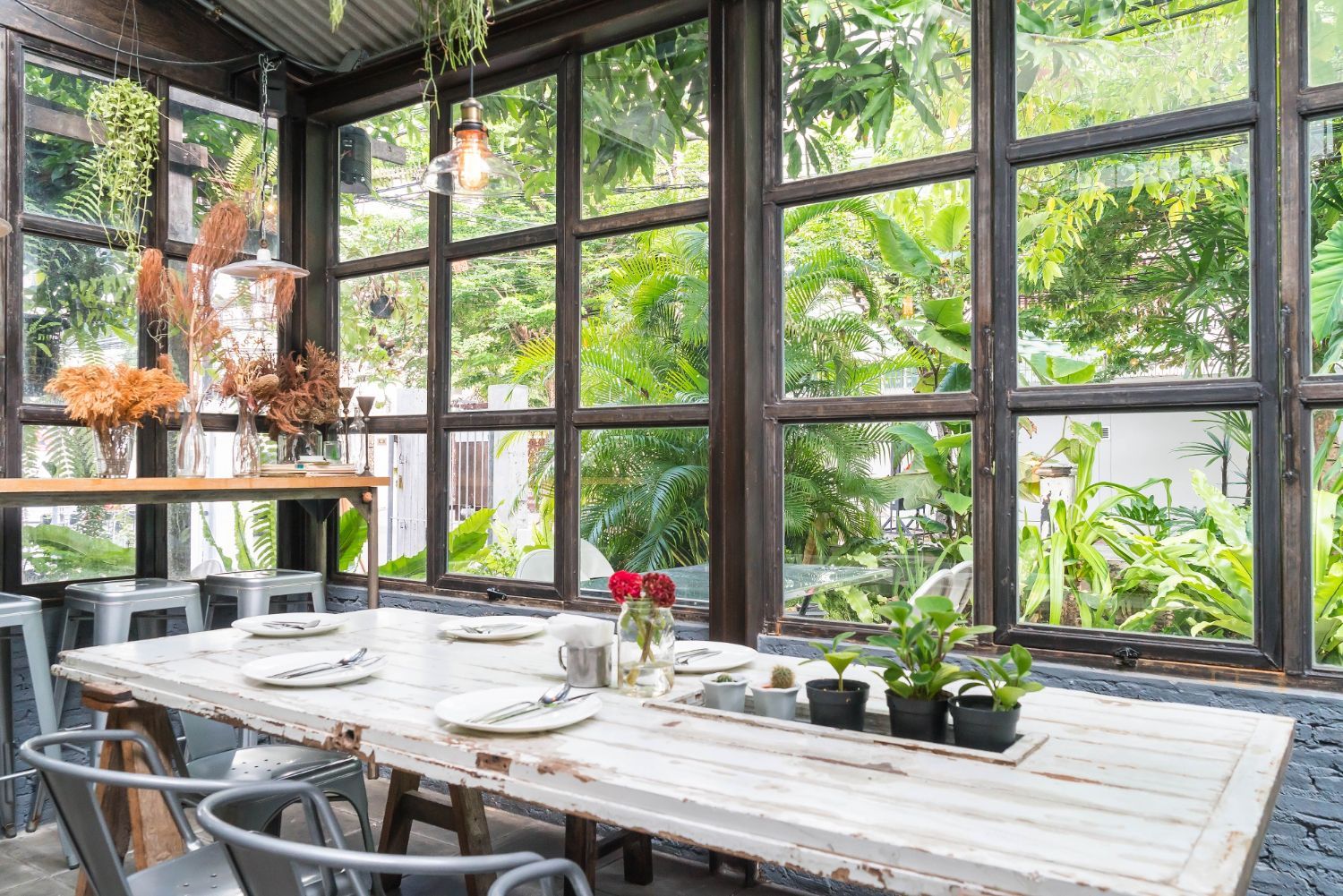
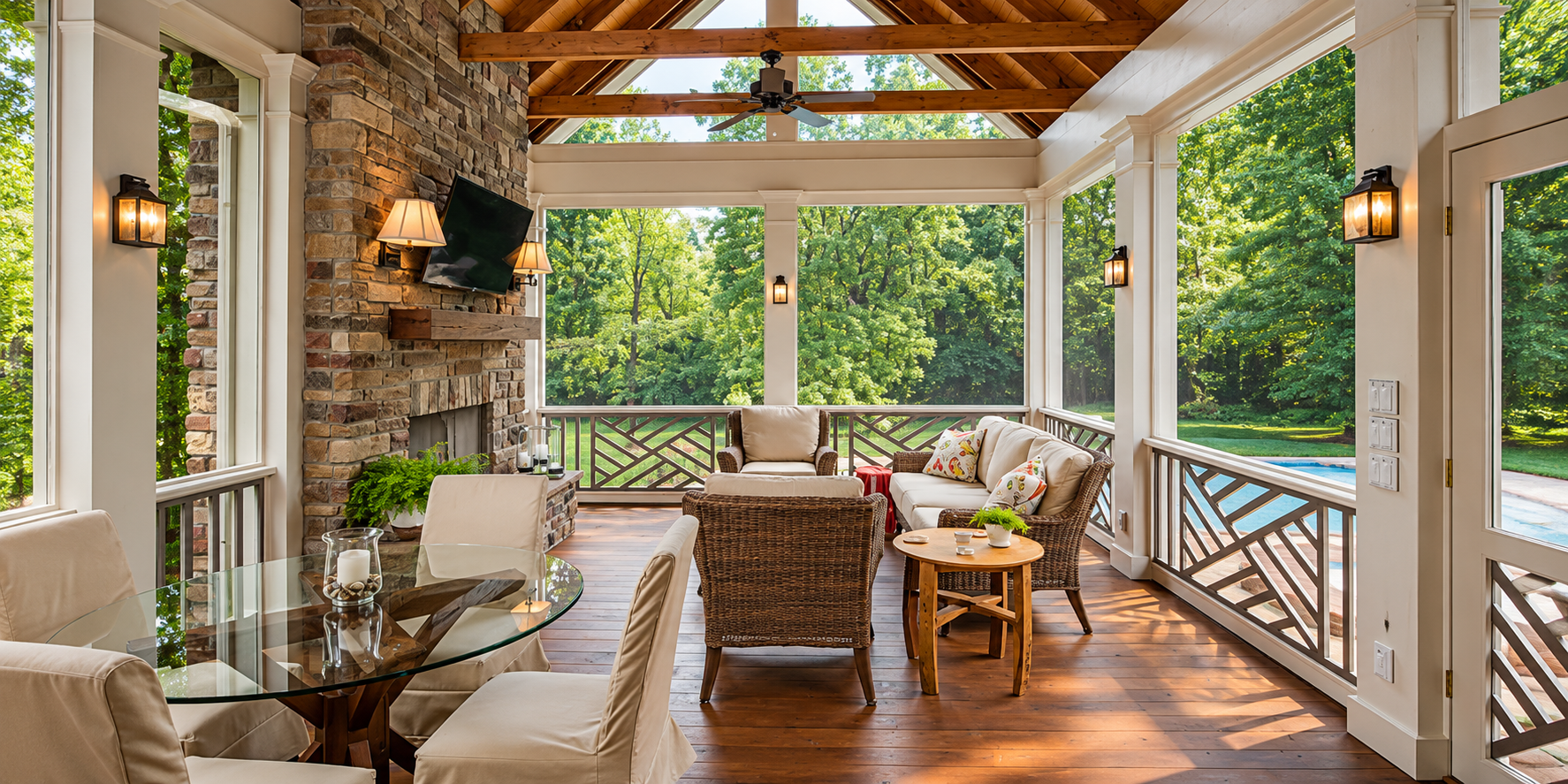
You have a deck or patio you'd like to use more, but it isn't working the way you hoped. July afternoons are too hot, mosquitoes show up at dusk, a spring shower sends everyone inside, and the furniture spends half of April under a layer of pollen. You've decided the space needs a roof and some kind of walls. The question is which kind. Most homeowners end up choosing among three options: A screened porch : a roofed space with screen walls that keeps bugs out and lets the breeze in. A three-season room : a roofed space with window panels instead of (or in addition to) screens, for more protection from wind, rain, and pollen. A four-season sunroom : a fully enclosed, insulated room with climate control, built for use all year. Each one suits a different kind of homeowner, and none of them is the right answer for everyone. This guide walks through how they differ, what drives the cost of each, which permits and approvals may come into play in Northern Virginia, and how to match the option to the way you actually live.
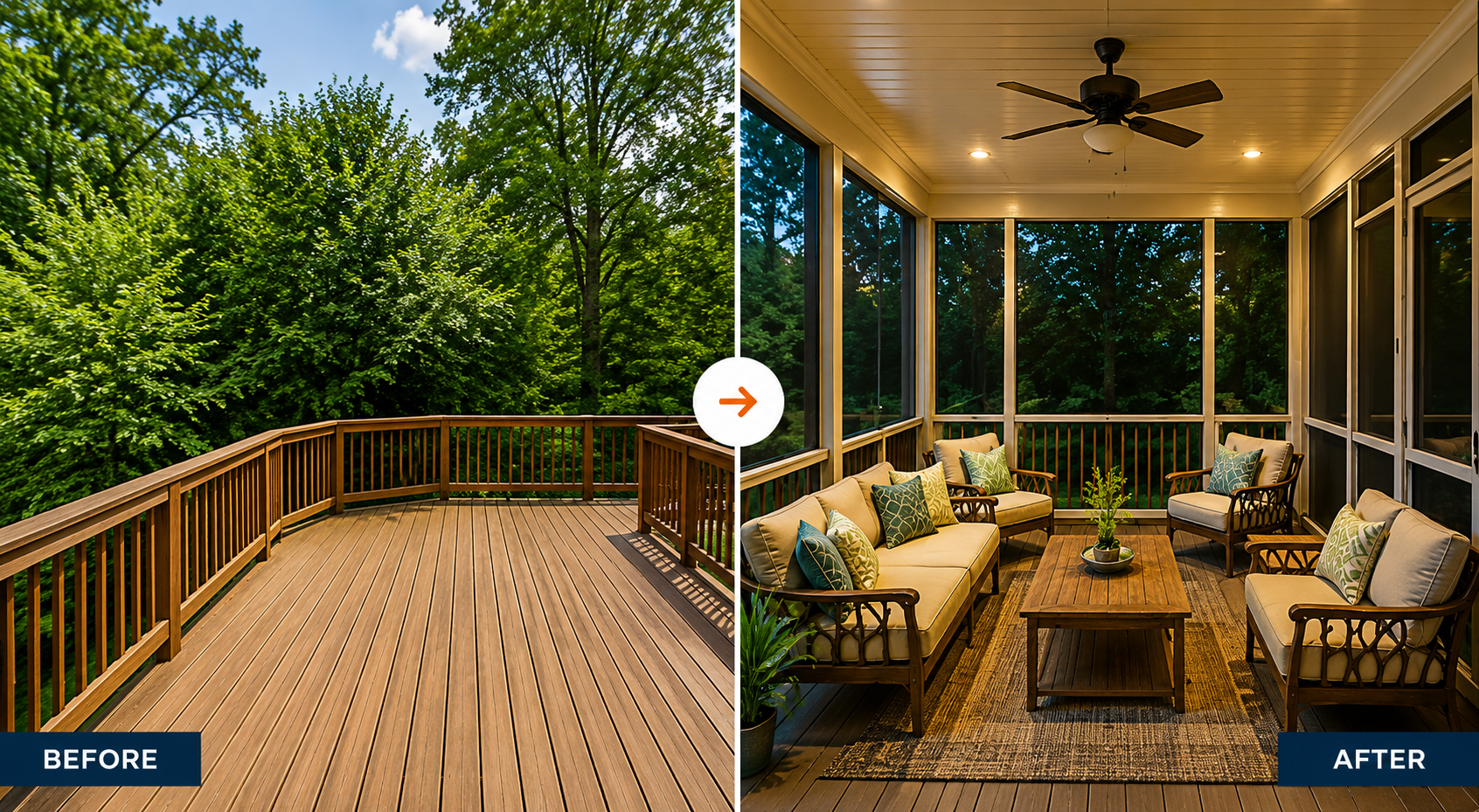
Wondering if your existing deck can support a screened porch? Learn what Northern Virginia homeowners should know about deck structure, permits, and conversion.
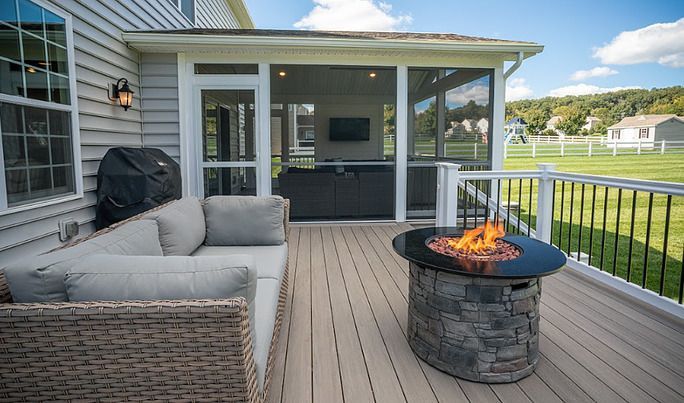
Creating a beautiful outdoor space is a dream for many homeowners. Whether you want a cozy patio, a stylish deck, or a relaxing sunroom, the right contractor can make all the difference. Choosing the best outdoor living contractor for VA homeowners trust is not always easy. There are many options, and each one offers different services and skills. A good contractor helps turn your ideas into reality. They ensure the project is safe, strong, and long-lasting. On the other hand, choosing the wrong contractor can lead to delays, extra costs, and poor results. This guide will help you understand how to choose the right contractor step by step. You will learn what to look for, what questions to ask, and how to make a smart decision for your home. Why Hiring the Right Contractor Matters Hiring the right contractor is important because outdoor projects are a big investment. A skilled contractor ensures your space is built correctly and lasts for years. According to industry reports, nearly 35% of home improvement issues come from poor workmanship. This shows how important it is to choose wisely. A reliable contractor saves time, reduces stress, and delivers quality results that match your vision. Understanding Your Outdoor Living Needs Before choosing a contractor, you need to know what you want. This includes deciding on the type of project and how you will use the space. Do you want a relaxing patio, a dining area, or a play space for your family? Knowing your needs helps you find a contractor with the right skills. It also makes communication easier and ensures your project meets your expectations. Checking Licensing and Certifications Licensing is one of the first things you should check. A licensed contractor follows local laws and safety standards. Certification shows that the contractor has proper training and knowledge. It also gives you peace of mind that the work will be done correctly. Always ask for proof of licensing before hiring anyone for your project. Evaluating Experience in Outdoor Projects Experience plays a big role in the success of your project. Contractors with years of experience understand different designs and materials. They can handle challenges and provide better solutions. Studies show that experienced contractors complete projects faster and with fewer errors. Choosing someone with a strong track record ensures high-quality work. Reading Reviews and Customer Feedback Reviews help you understand the contractor’s reputation. Customer feedback shows how they perform in real projects. Look for reviews that mention quality, communication, and timelines. According to surveys, over 80% of homeowners trust online reviews before hiring a contractor. Positive reviews are a good sign of reliability and professionalism. Reviewing Past Projects and Portfolio A portfolio shows the contractor’s previous work. It helps you see their style and quality. Look for projects similar to yours. This gives you confidence in their ability to deliver what you want. A strong portfolio is a sign of skill and experience. Services Offered by Outdoor Living Contractors Different contractors offer different services. Some focus on decks, while others specialize in patios or sunrooms. For example, a Sunroom Builder can create bright indoor-outdoor spaces. Contractors may also build Screened in Porches for comfort and protection. Understanding services helps you choose the right expert for your project. Importance of Deck and Patio Expertise Decks and patios are common outdoor features. Choosing experienced Decks installation Contractors ensures strong and safe structures. A skilled patio Contractor can design spaces that match your home style. Proper construction improves durability and appearance. This adds value to your property and enhances your outdoor living experience. Maintenance Services and Long-Term Support Good contractors also offer maintenance services. Deck Maintenance is important to keep your outdoor space in good condition. Regular care prevents damage and extends the life of your structures. Choosing a contractor who offers support after installation is a smart decision. Customization Options for Unique Spaces Every home is different, so customization is important. A contractor should offer design options that fit your needs. For example, a Sunroom Custom can be designed to match your lifestyle. Custom features make your space more useful and enjoyable. This ensures your outdoor area reflects your personal style. Comparing Quotes and Pricing Getting multiple quotes helps you understand pricing. It also allows you to compare services and materials. Do not choose the cheapest option without checking quality. A slightly higher price may offer better materials and workmanship. Comparing quotes helps you make a balanced decision. Communication and Professionalism Good communication is key to a successful project. A professional contractor listens to your ideas and explains the process clearly. They provide updates and answer your questions. Clear communication helps avoid misunderstandings and ensures the project runs smoothly. Timeline and Project Planning Understanding the timeline is important before starting your project. A good contractor provides a clear schedule. They plan each step carefully to avoid delays. Studies show that proper planning reduces project delays by up to 25%. Knowing the timeline helps you prepare and manage expectations. Warranty and Insurance Coverage Warranty and insurance protect you from unexpected issues. A warranty ensures that the contractor will fix problems after completion. Insurance covers damages or accidents during the project. Always confirm these details before hiring. This gives you peace of mind and protects your investment. Red Flags to Watch Out For There are some warning signs to avoid when choosing a contractor. These include lack of licenses, poor communication, and unclear pricing. Avoid contractors who ask for full payment upfront. Also, be cautious of those with no reviews or portfolios. Identifying red flags helps you avoid problems. Making the Final Decision After reviewing all factors, it is time to choose your contractor. Compare experience, reviews, pricing, and communication. Trust your instincts and choose someone who understands your vision. A careful decision ensures a successful project and a beautiful outdoor space. Conclusion Choosing the right contractor is the key to building a beautiful and long-lasting outdoor space. By focusing on licensing, experience, reviews, and clear communication, you can find a professional who meets your needs. A well-planned project adds comfort, value, and style to your home. If you are ready to start your outdoor transformation, Contact us Outdoor View Construction today and take the first step toward creating your dream outdoor living space. Frequently Asked Questions